

What can artificial intelligence really do today—and what are its limitations? With the public event “#KI.AllesKlar!”, the KI-Akademie OWL invited citizens to Bielefeld to experience current AI topics in a way that was accessible, interactive, and scientifically sound.
The program combined short presentations, discussions, hands-on activities, and a large demo area showcasing applications of artificial intelligence. In keynote talks, experts shared their perspectives on current developments in the field of AI. The program was complemented by a moderated panel discussion on the opportunities, risks, and societal impacts of AI, as well as a science slam focusing on current research topics.
inIT showcases AI you can try out
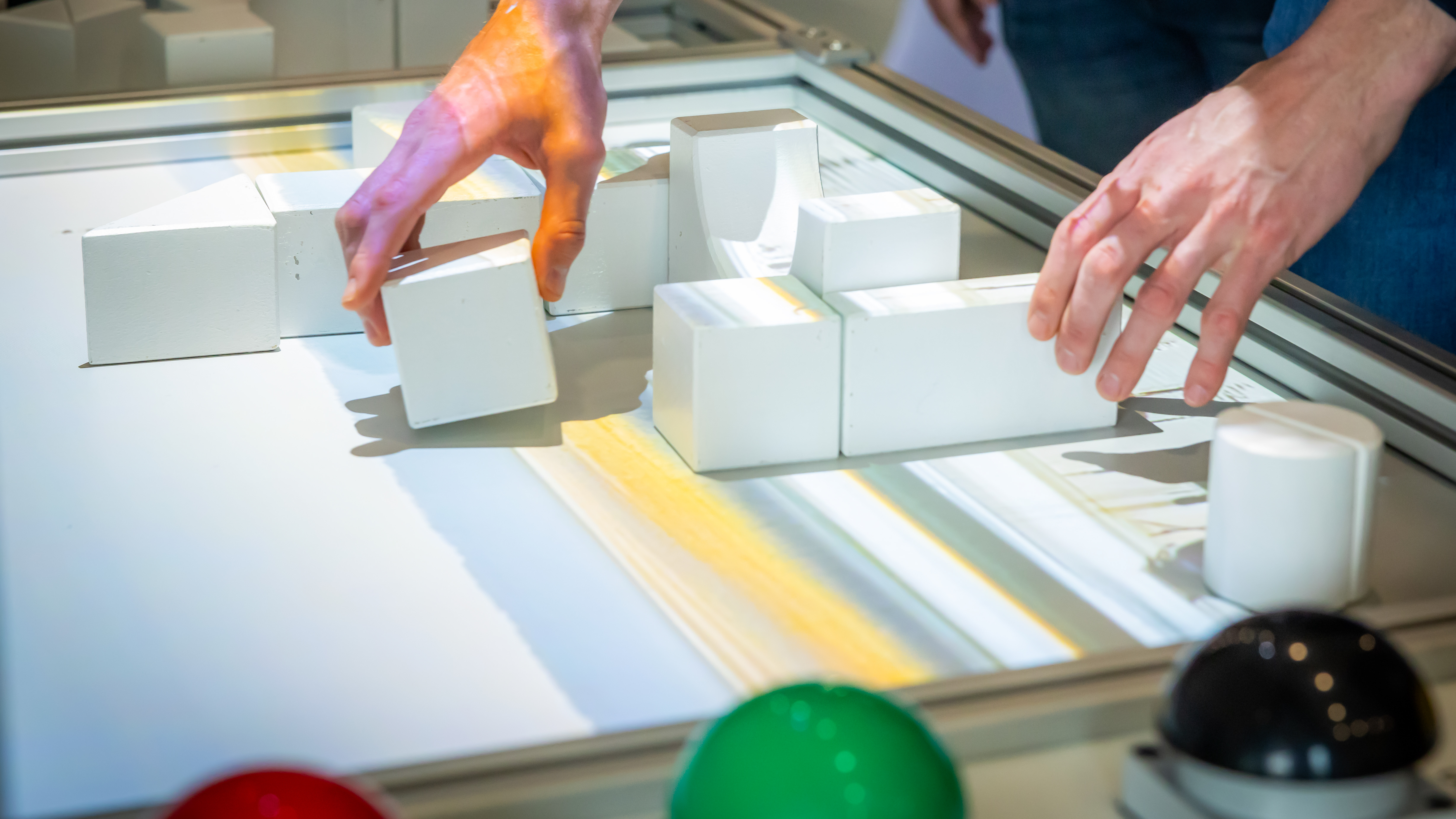
inIT was also on site with several interactive demonstrations, inviting visitors to try out the latest AI technologies for themselves in a fun way and gain a better understanding of them.
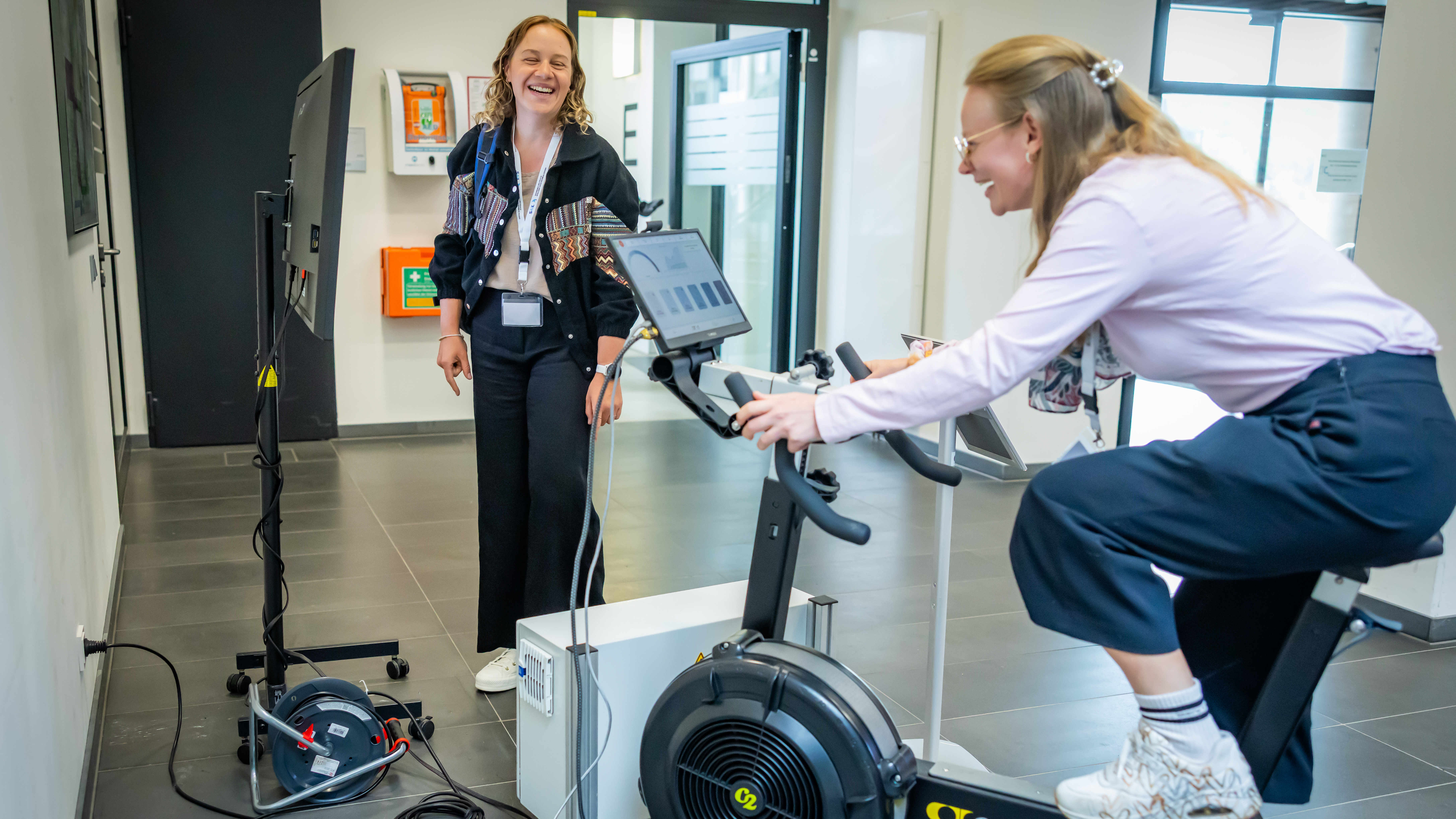
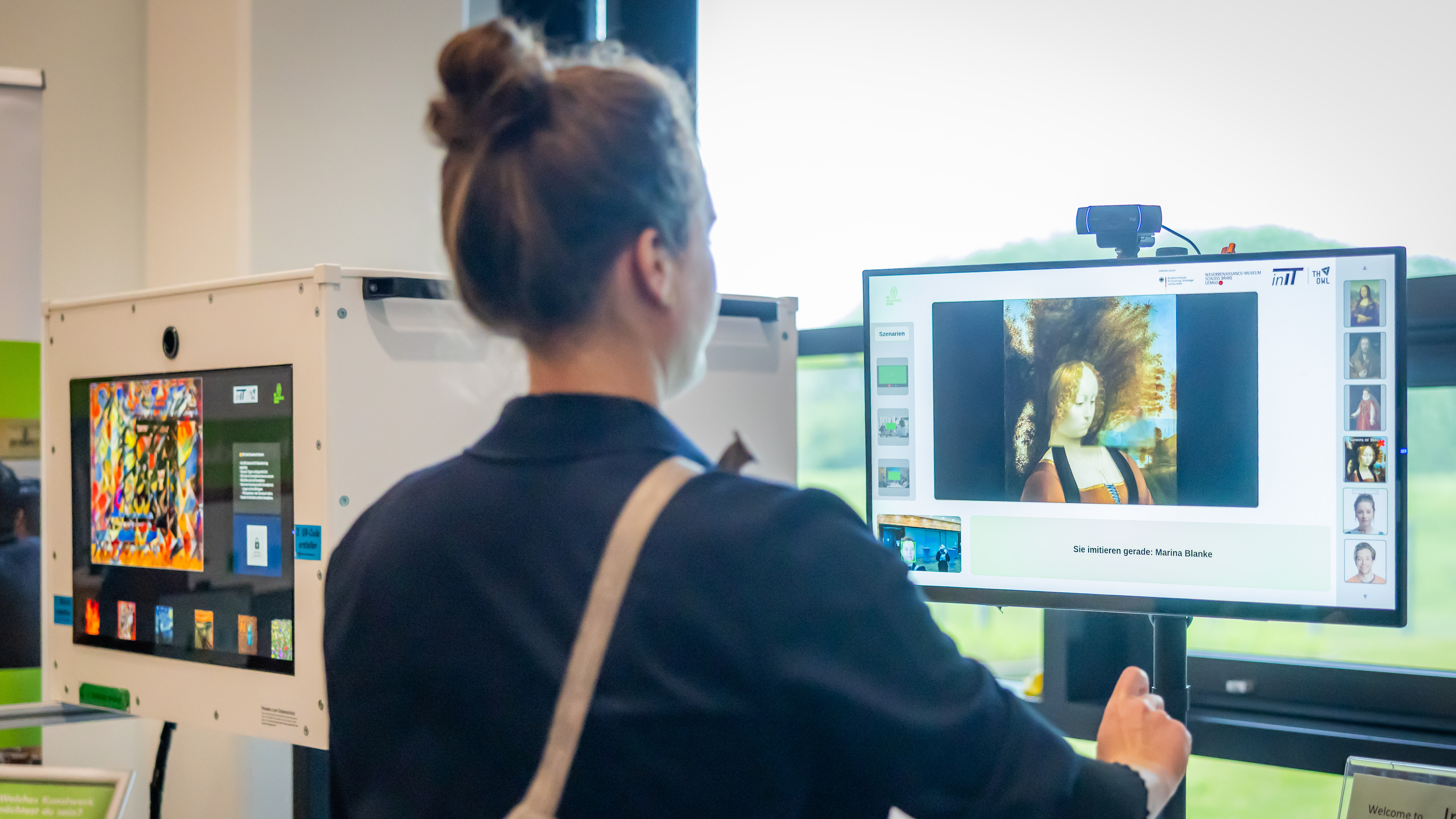
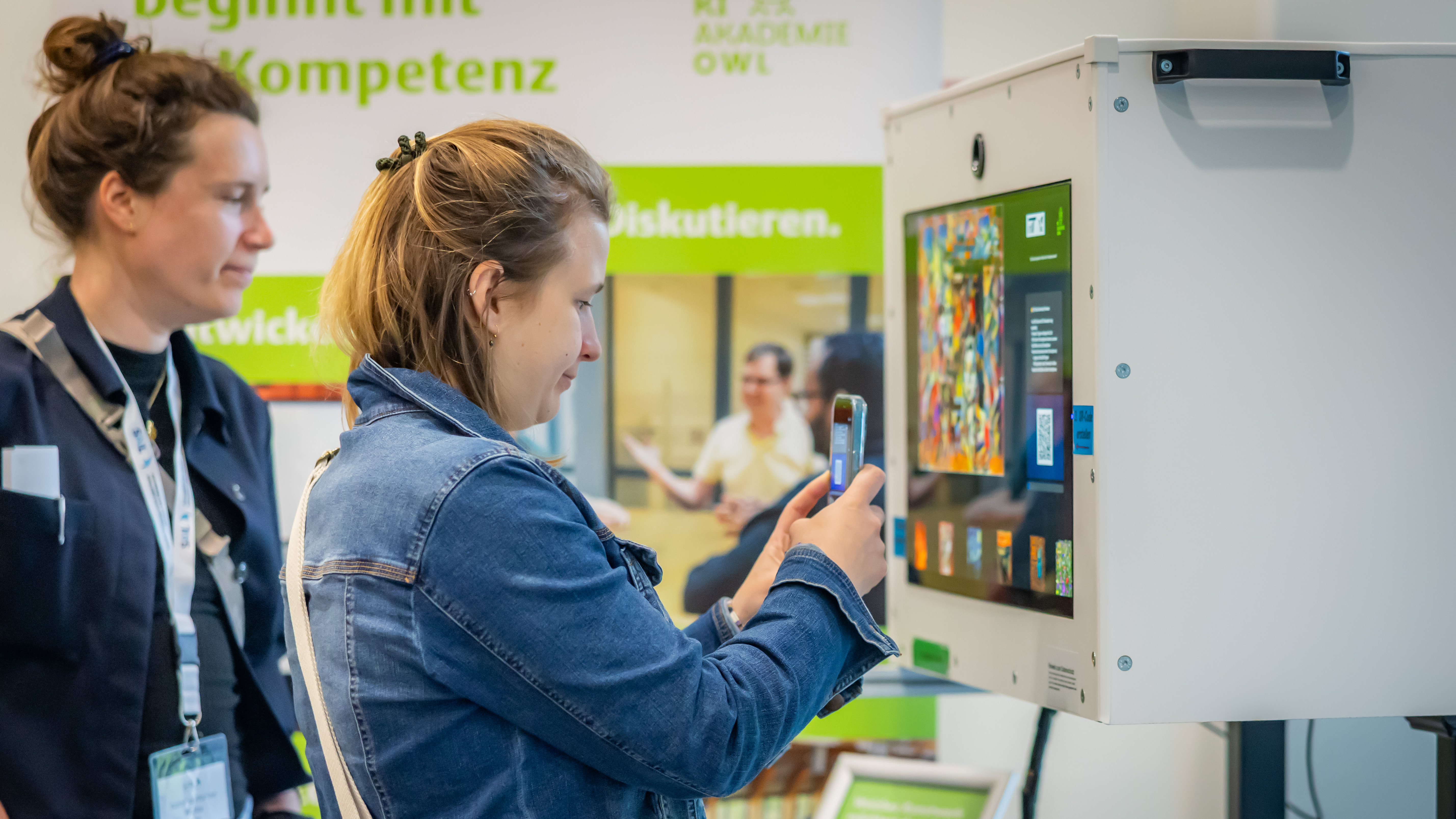
With Cycling4AI, guests could pedal themselves and experience how much energy individual AI queries consume. The demonstration made it clear that even digital applications like generative AI require real-world resources. Ko-Kreativ invited visitors to create creative visual worlds together with generative AI and explore the interplay between human creativity and AI-assisted image generation. With IMPOSTER, inIT also demonstrated how deceptively real manipulated image and video content can appear today, raising awareness about the need for a critical approach to digital media. The AI photo booth also generated significant interest. Here, visitors could experience how AI generates individual portraits in the style of various artists and creates creative visual worlds.
The demonstrations not only provided an opportunity to try things out, but also sparked discussions about the opportunities, limitations, and societal impacts of AI.
Dialogue between research and society
“With this event, we wanted to make AI understandable, tangible, and open to discussion. The diversity of perspectives from the AI Academy OWL consortium—ranging from research and demonstrations to direct interaction with visitors—was particularly valuable,” explains Prof. Dr. Markus Lange-Hegermann.
Auther: Mona Brinkmann