

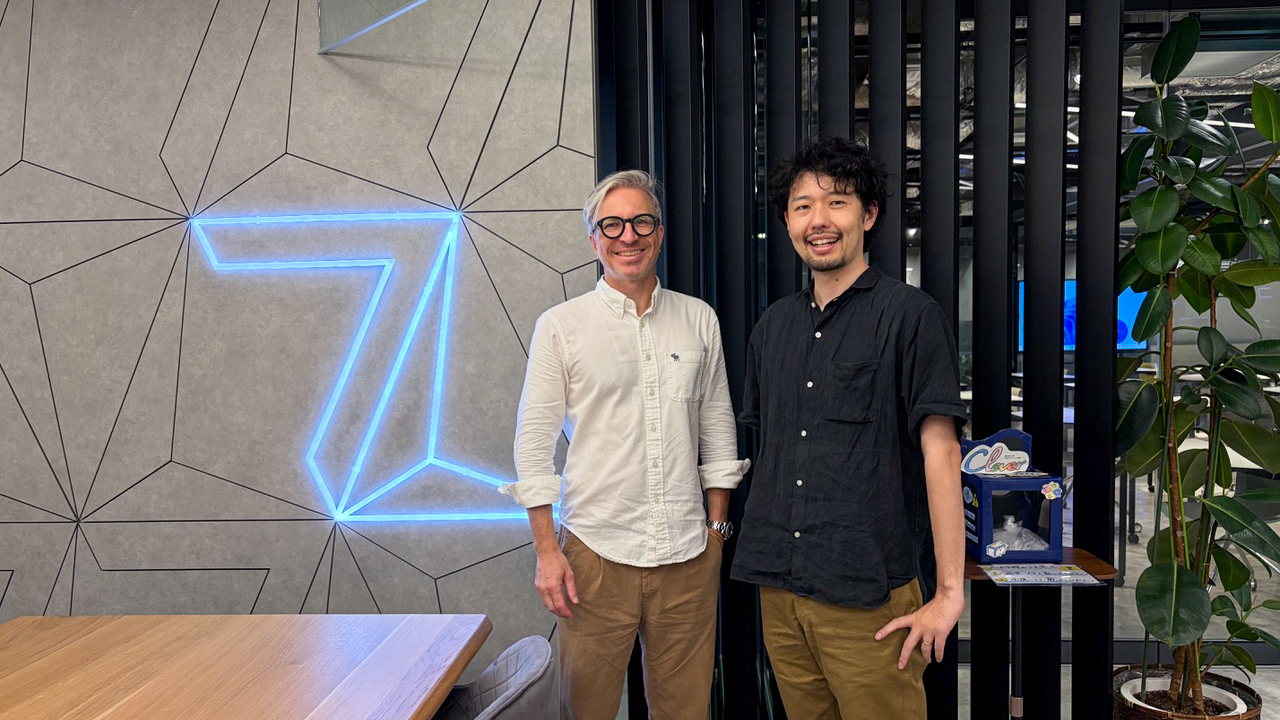
A multi-week research stay took Professor Carsten Röcker to Yokohama City University in Japan. At the invitation of Dr Yutaro Nemoto, he used the opportunity to deepen existing research collaborations and explore new avenues for cooperation, particularly in the fields of human-technology interaction, service design and technology-supported inclusion. Further stops took him to Keio University in Tokyo and the Toyota Technological Institute in Nagoya.
Carsten Röcker represents the field of Human-Technology Interaction at TH OWL. His current research focuses on inclusive human-technology interaction, industrial assistance systems and technology acceptance.
From visiting researcher to long-standing research partner
The collaboration with Yutaro Nemoto goes back several years. In 2020, he spent five months at inIT as a visiting researcher. Shared research interests in IoT, Human-Centered Design and the human-centered design of digital technologies laid the foundation for a long-term scientific collaboration involving joint projects and publications. Today, Yutaro Nemoto is Associate Professor at the Graduate School of International Management at Yokohama City University.
The collaboration was further intensified within the research project SAIL – Sustainable Life-Cycle of Intelligent Socio-Technical Systems. This included the joint organization of an international workshop involving SAIL doctoral researchers, as well as several joint scientific publications.
“The particular value of international collaboration becomes evident when continuous exchange leads to new research. In Japan, we were able to deepen existing topics, connect different approaches and identify new opportunities for joint research,” says Carsten Röcker.
New perspectives on robotics, service design and inclusion
Alongside his stay at Yokohama City University, Carsten Röcker used the trip to exchange ideas with several researchers at the Graduate School of Media Design at Keio University.
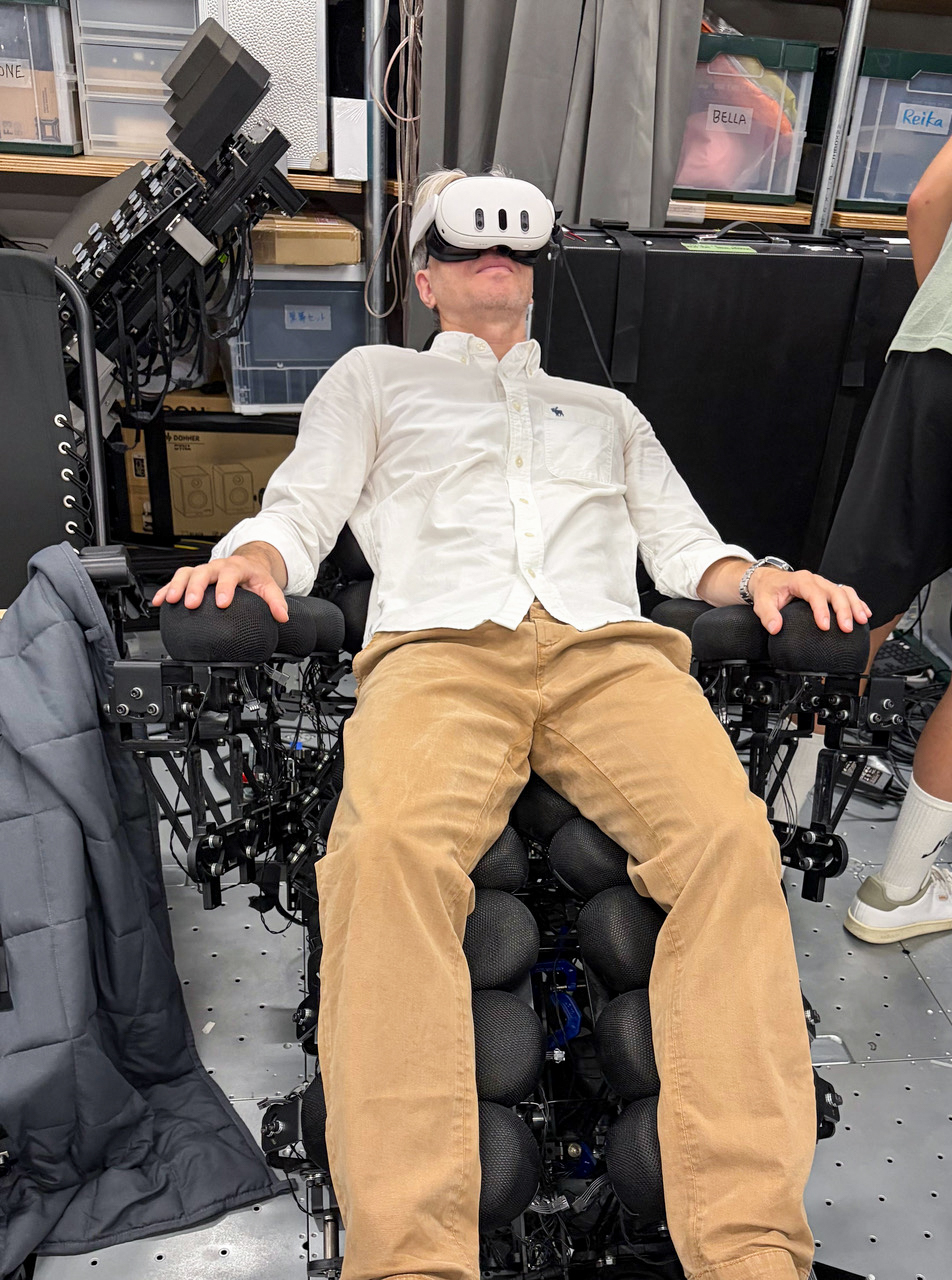
There, he met Guillaume Gourmelen, Project Assistant Professor at Keio University, whose research focuses on human-robot interaction and human-machine interfaces. His areas of expertise include robotics, haptics and teleoperation. During the visit, Carsten Röcker gained insights into current research approaches and prototypes and tested, among other things, a haptic AR chair. The chair demonstrated how haptic interaction can be combined with augmented reality.
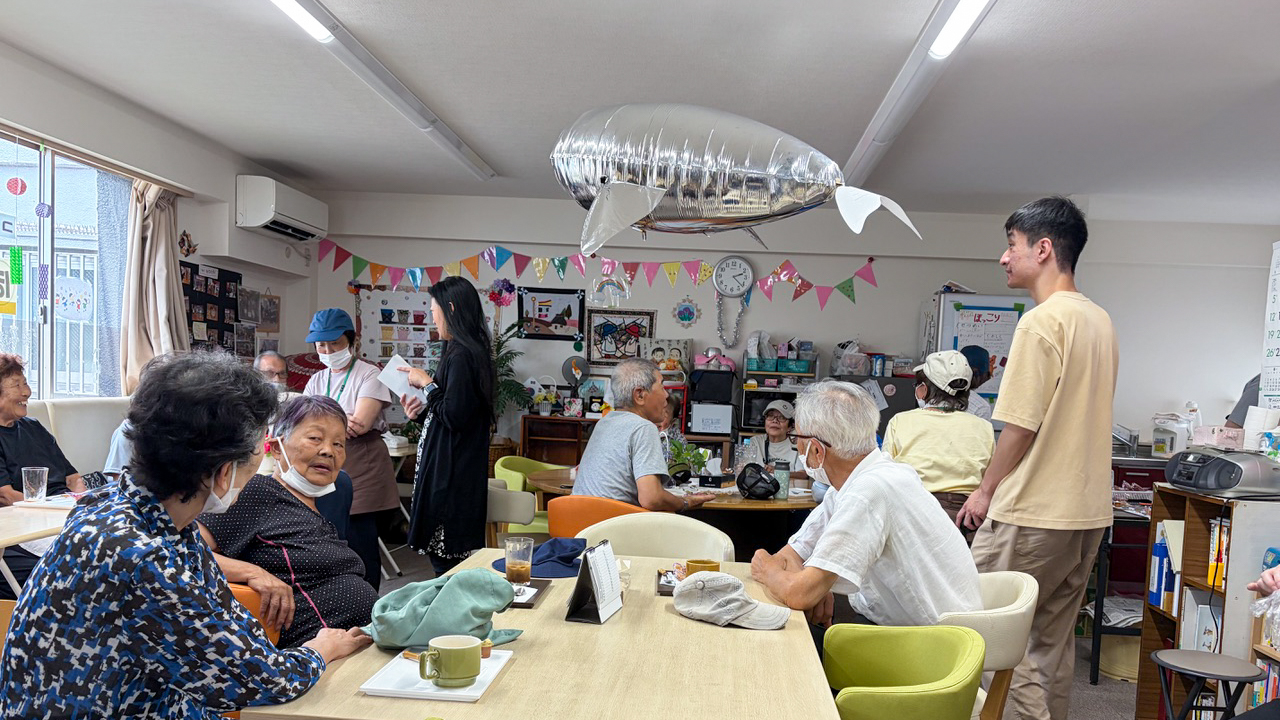
He also met with Chihiro Sato, Associate Professor at Keio University. Her research focuses, among other areas, on service design and the connection between physical and digital spaces. During the visit, Carsten Röcker also had the opportunity to take part in a co-design workshop with older adults outside Tokyo, where digital support technologies were discussed and further developed together.
The exchange was complemented by a field study involving a flying robot designed to support social interaction. This also revealed points of connection with research at inIT, particularly in the user-centered design and evaluation of new assistance and interaction technologies.
Long-standing collaboration with the Toyota Technological Institute
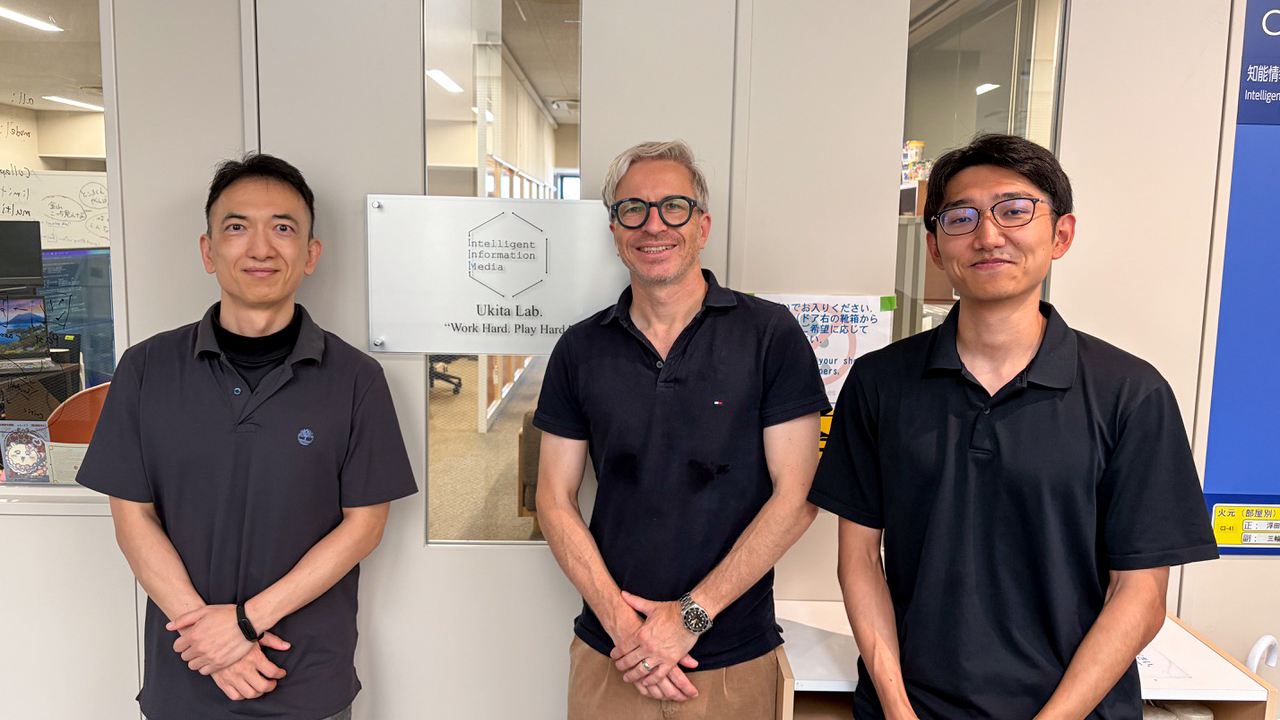
Another stop took Carsten Röcker to the Intelligent Information Media Laboratory at the Toyota Technological Institute in Nagoya. There, he met Professor Norimichi Ukita, whose research group has collaborated with inIT for many years. As head of the laboratory, his research includes intelligent image processing as well as the analysis and prediction of human and robotic motion.
The visit focused on current research topics and the next steps in their joint work. The exchange will continue in Lemgo as early as September, when a researcher from Norimichi Ukita’s group will spend one month at inIT for a return visit. The aim is to further develop existing research approaches and explore new opportunities for collaboration.