

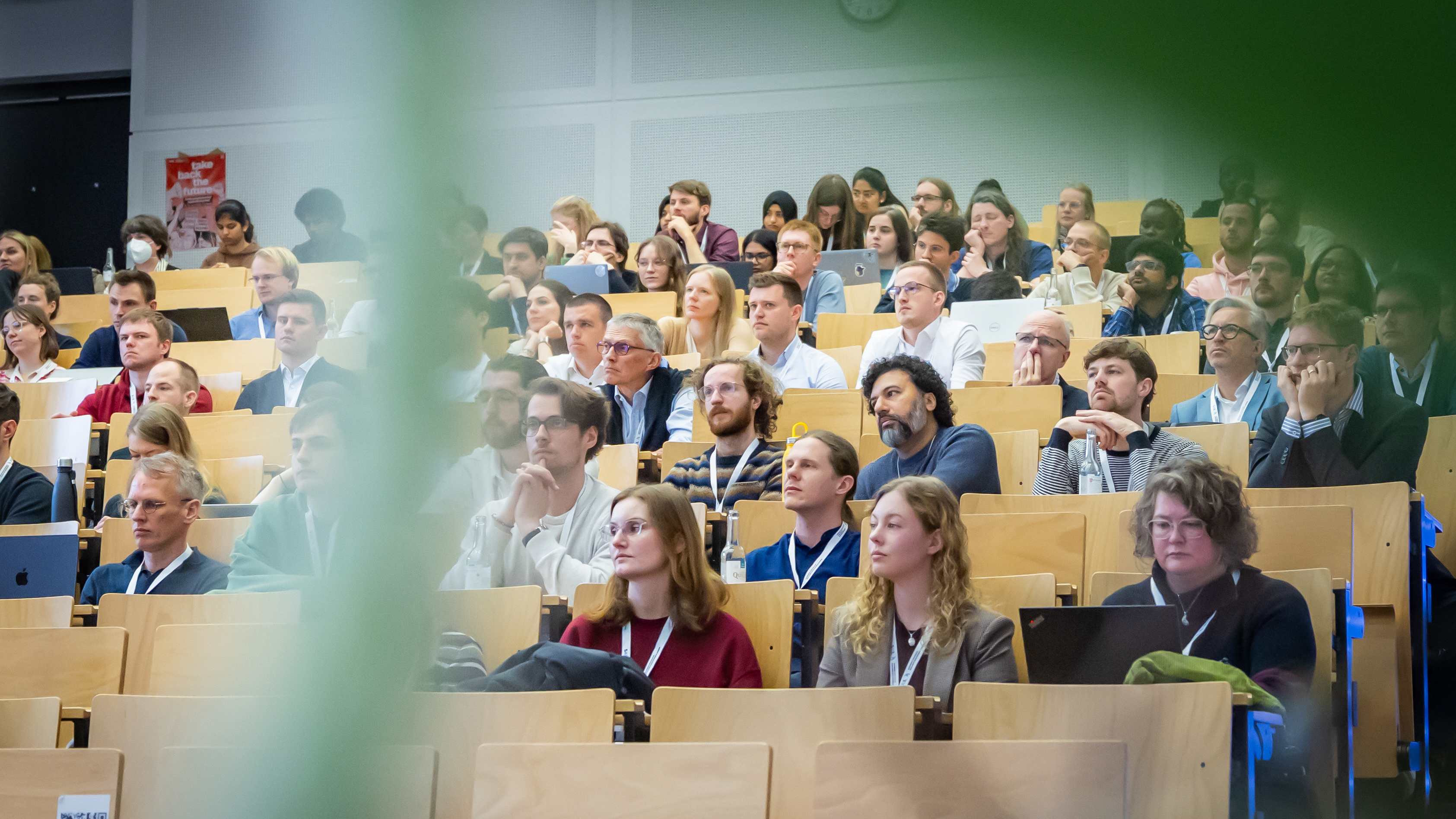
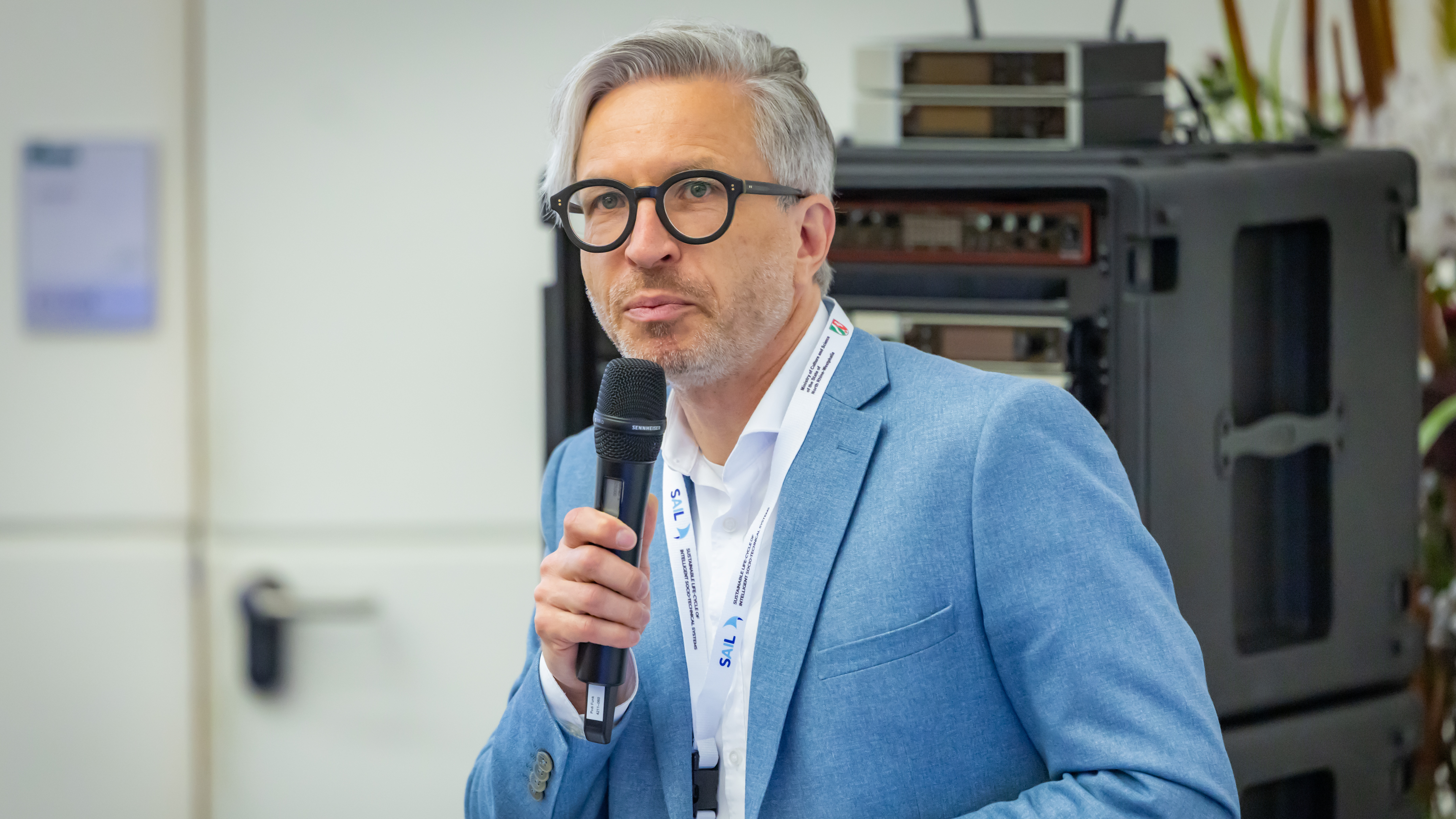
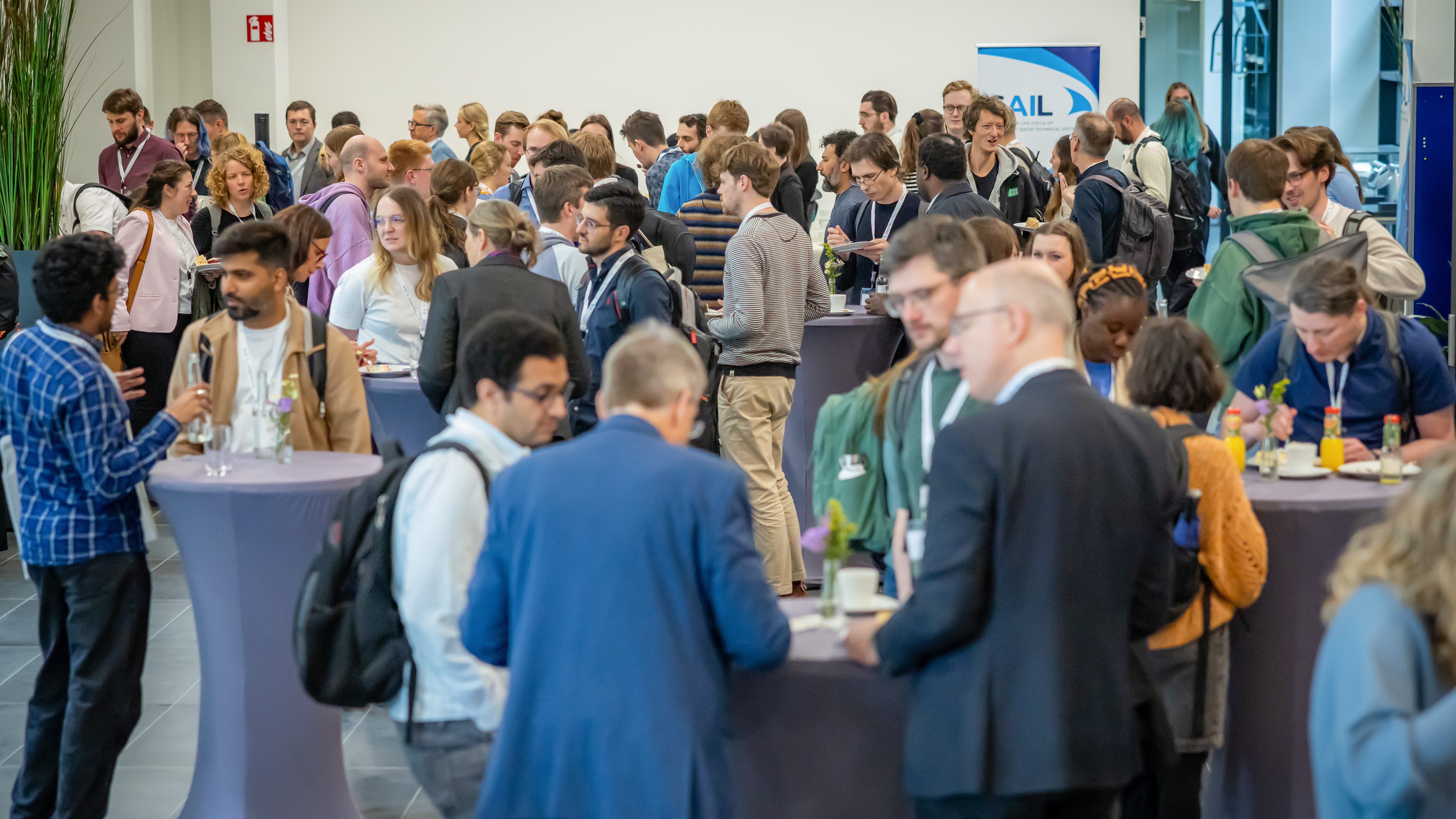
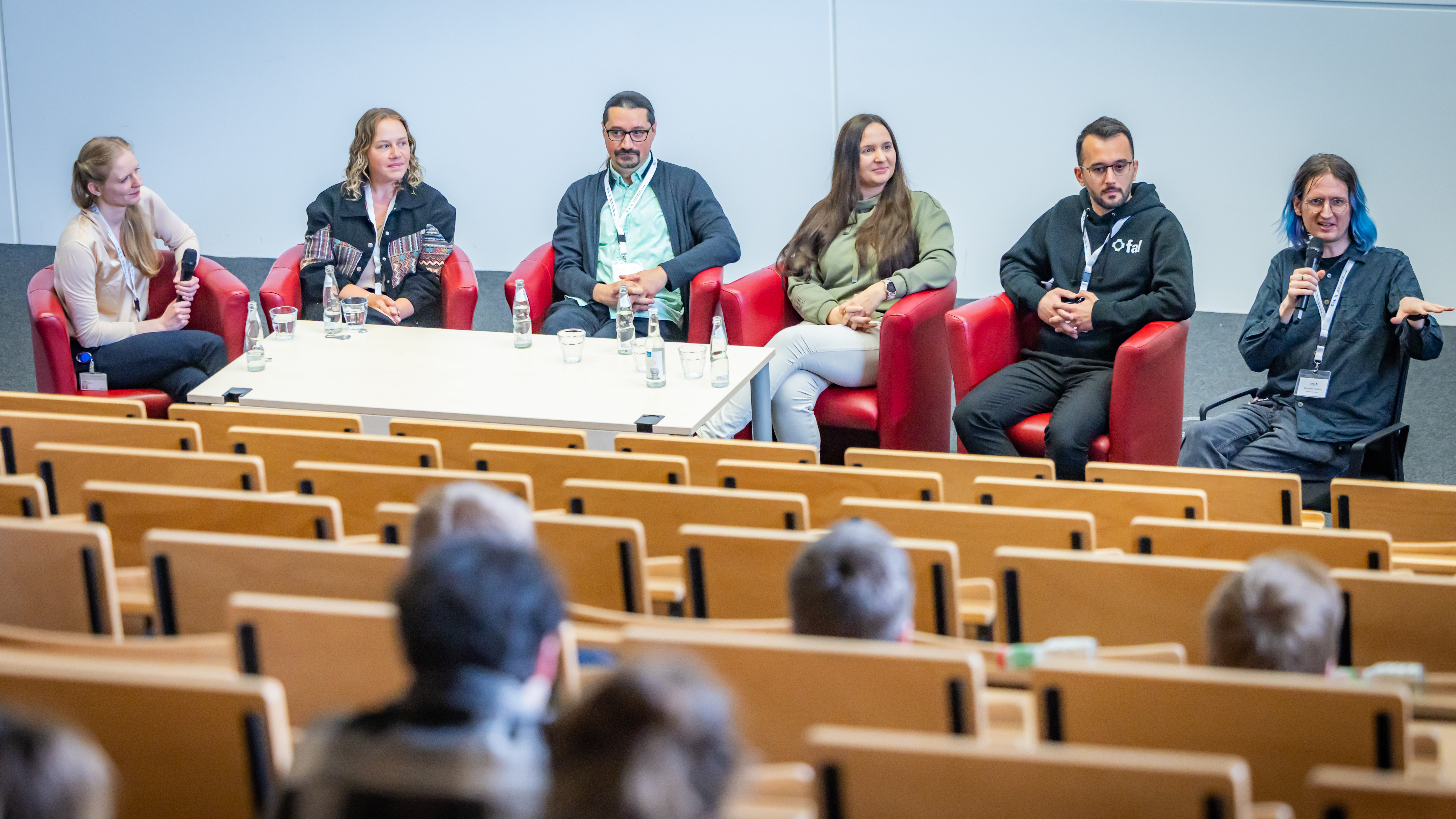
At the SAIL Closing Conference, “New Horizons in Sustainable AI,” held on May 7, 2026, at the CITEC at Bielefeld University, researchers from all partner universities and guests from academia and industry gathered to present the results of several years of AI research, discuss new perspectives for sustainable and efficient AI, and further strengthen scientific exchange within the network.
The conference served as the joint conclusion and the final major event of the SAIL research network before the official end of the project in late July 2026. The program included keynote speeches, poster and demo sessions, as well as numerous presentations by early-career researchers.
inIT is represented by numerous research papers
inIT was also represented at the conference with numerous research presentations. Researchers presented their latest work in the fields of trustworthy AI, industrial applications, explainable AI, language models, human-technology interaction, and data-driven production systems.
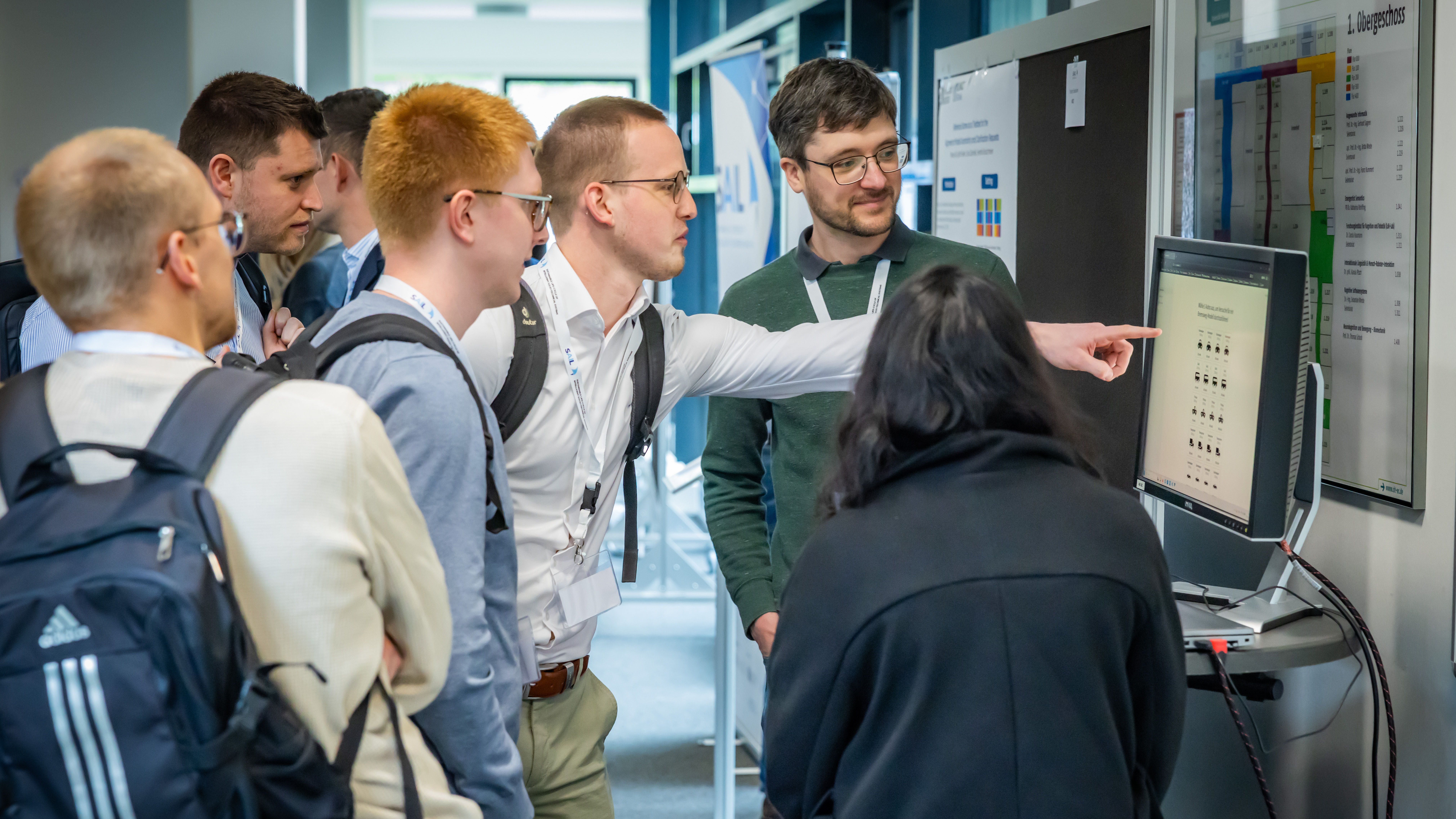
Demo session
- “AI for Plain Language” – Eduard Berzeminskij and Andreas Besginow
Poster session
- „Data-Driven Process Understanding in Steel Spring Manufacturing Using Time Series Analysis“ – Julian Bültemeier, Jan Ehlenbröker, Christoph-Alexander Holst und Volker Lohweg
- „Feedback interventions in digital task assistance as pathways to meaningful work“ – Hitesh Dhiman
- „Explainable AI for Human-Centered Quality Control in Plastic Fiber Production“ – Jan Ehlenbröker, Christoph-Alexander Holst and Volker Lohweg
- „From Intent to Configuration: An LLM Co-Pilot for TSN/5G Networks“ – Steffen Fricke und Jürgen Jasperneite
- „Integrating Multiview Deep Learning Defect Detection with Knowledge Graph–Driven Process Optimization in Injection Molding“ – Michael Hieb and Volker Lohweg
- „Towards Physically Realistic Adversarial Attacks on Banknote Authentication“ – Julian Knaup, Christoph-Alexander Holst and Volker Lohweg
- „Resource-Efficient RAG Assistants for Parkinson’s Care: Quantization Strategies for Local Deployment“ – Kalidasan Nediyamparambath, Patrick Gaudl, Christoph-Alexander Holst and Volker Lohweg
- „Safe Active Learning and Control via Gaussian Processes“ – Jörn Tebbe
Junior Research Group Leader Spotlight
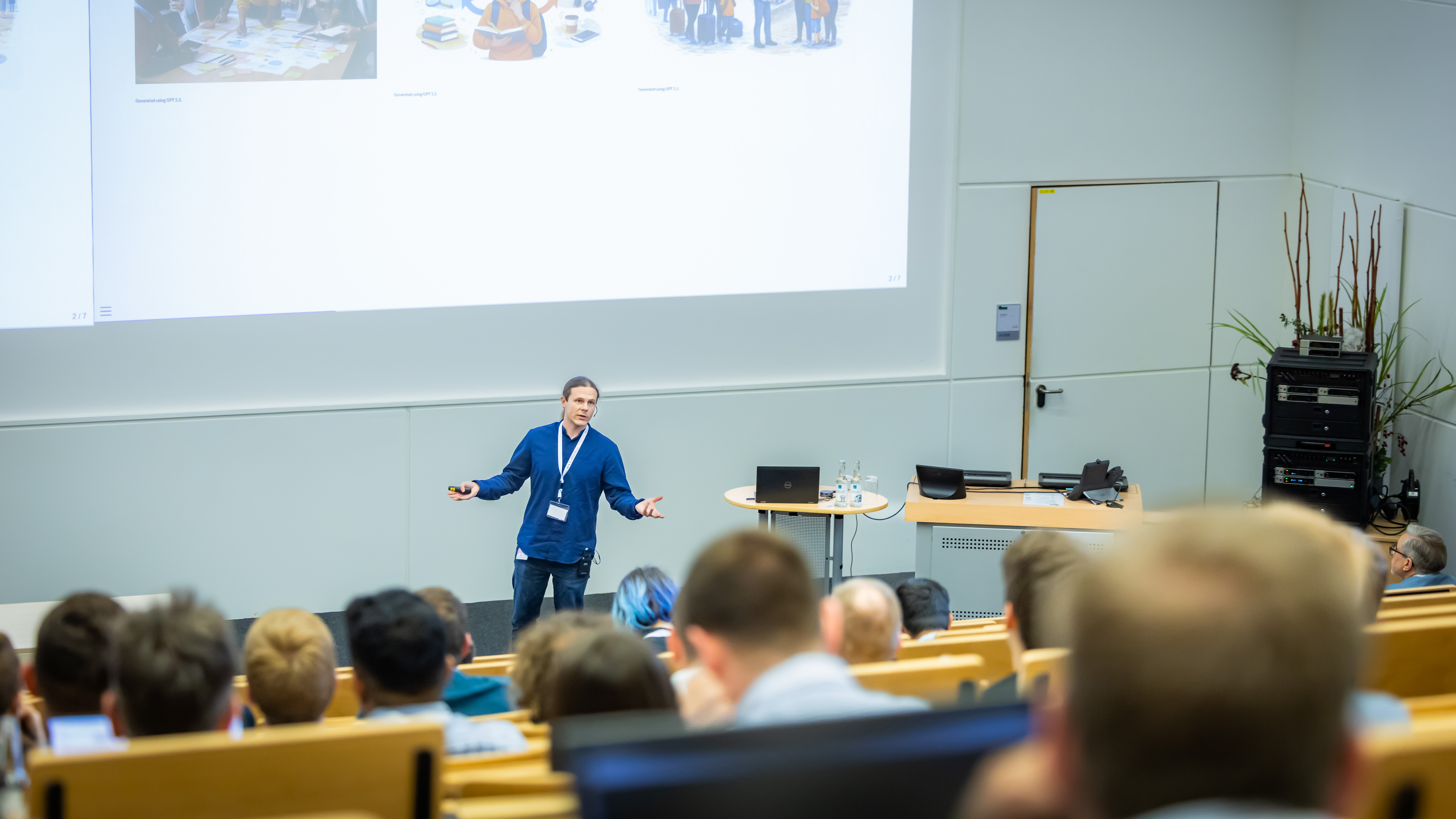
Another presentation from inIT was given by Andreas Besginow, who, as a junior research group leader, presented his research as part of the SAIL Spotlights. In his talk, “On Quick and Interpretable Selection of Physical Models through Gaussian Processes,” he provided insights into current work on the rapid and interpretable selection of physical models using Gaussian processes.
Supporting young talent as a central component of SAIL
A key focus of the closing conference was on raising the profile of and supporting early-career researchers. Many of the projects presented were led by doctoral candidates and early-career researchers, who were able to further develop their research and build interdisciplinary networks within the network.
“SAIL has demonstrated just how well-established interdisciplinary AI research has become in the OWL region. I am particularly pleased that so many early-career researchers have been able to launch their academic careers and develop their own research focuses as part of this project,” summarizes Prof. Dr. mult. Carsten Röcker, SAIL project leader at TH OWL.
The collaboration will continue
The SAIL research network (“Sustainable Life-Cycle of Intelligent Socio-Technical Systems”) is funded by the Ministry of Culture and Science of the State of North Rhine-Westphalia and brings together researchers from Bielefeld University, the University of Paderborn, Bielefeld University of Applied Sciences, and TH OWL.
Cooperation within the consortium is set to continue even after the official end of the project. There are already numerous plans to further expand and advance joint research activities and cross-campus collaborations. With the AI Academy OWL, which has already been launched, the four universities are pooling their expertise in the field of artificial intelligence: https://ki-akademieowl.de
Auther: Mona Marie Brinkmann