

![[Translate to Englisch:]](https://www.init-owl.de/fileadmin/user_upload/csm_1770395122385_cd1bfd9bd5.jpg "[Translate to Englisch:]")
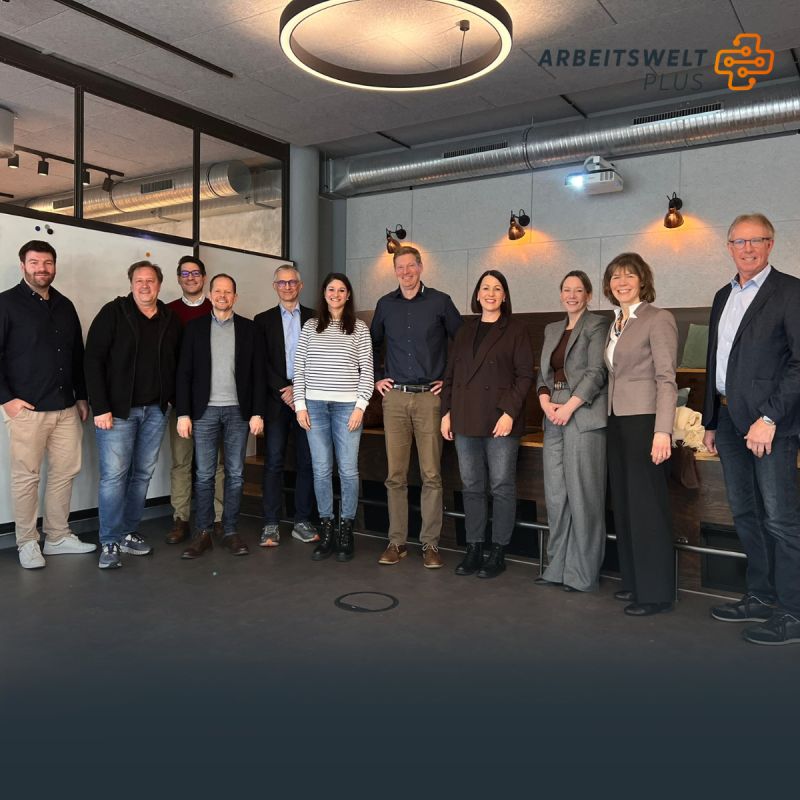
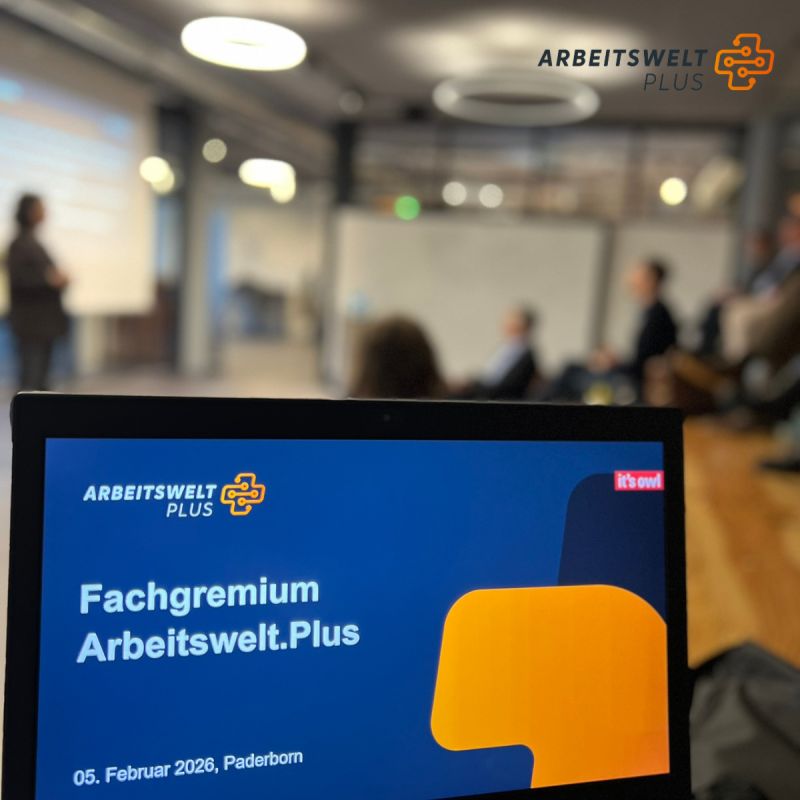
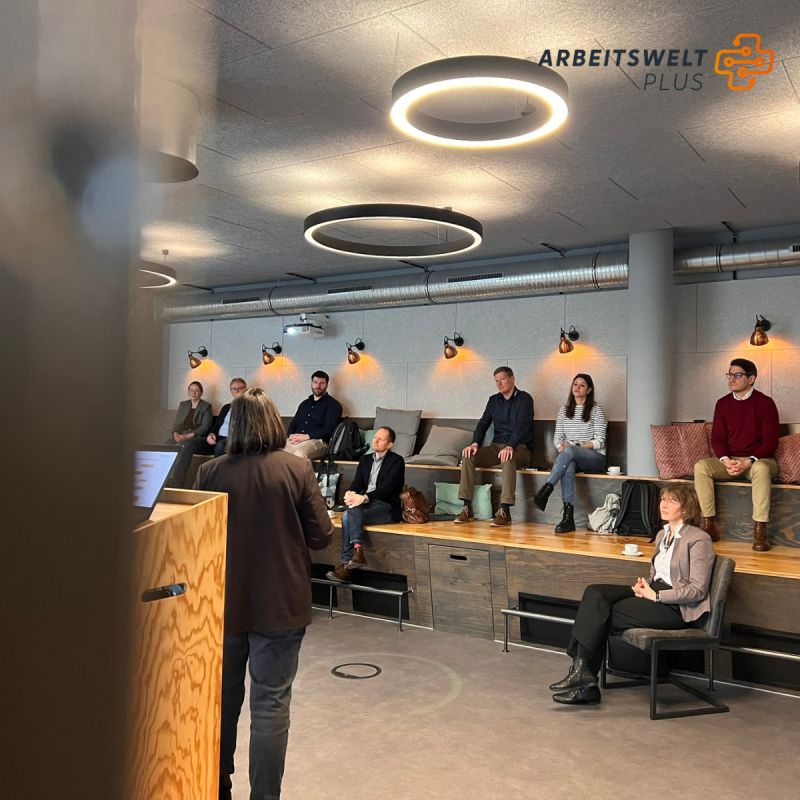
The Arbeitswelt.Plus competence centre is repositioning itself under the umbrella of the it's OWL leading-edge cluster. On 5 February 2026, the kick-off meeting of the "Future of Work" expert committee took place in Paderborn with the participation of inIT. Founding member Dr. Christoph-Alexander Holst is shaping the expert committee with his expertise.
it's OWL competence centre Arbeitswelt.Plus
What skills will people need to work with robots in the future? What defines modern corporate management? What are the stumbling blocks when introducing AI projects?
These are all questions that the Arbeitswelt.Plus competence centre has been addressing over the past five years. Companies in OWL have introduced AI and digitalisation solutions with a focus on people. Although Arbeitswelt.Plus is now coming to an end as a funded project, the issues surrounding the use of AI in companies have lost none of their urgency.
"Future of Work" focus group
For this reason, the competence centre has repositioned itself. On the one hand, there is the "Future of Work" focus group, in which questions about AI projects are submitted and dealt with on a quarterly basis. Here, like-minded people can exchange ideas in a practical way.
"Future of Work" expert committee
On the other hand, the focus group is supplemented and steered by an expert committee. The kick-off meeting of the expert committee took place in Paderborn on 5 February 2026. Dr. Christoph-Alexander Holst, research group leader of the "Discrete Systems" working group headed by Prof. Dr Volker Lohweg, discussed long-term perspectives on the future of work with other experts from industry and research. The expert committee meets every six months and aims to provide strategic input and support companies in implementing AI projects sustainably and successfully.
Dr. Christoph-Alexander Holst emphasises: "The expert committee sees itself as a strategic catalyst. In view of the rapid advances in digitalisation and AI, we should nevertheless always keep people in mind. This is the only way AI projects will succeed."